List of temples in Kerala
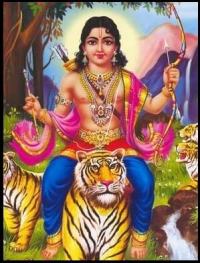
Ayyappa Temples
Lord Ayyappa is considered as one of the famous deity worshipped in kerala. In recent times, not only in kerala, devotees from all around world started building temples and worshipping Ayyappa. The fact is that, Ayyappa is believed to be the one god who protects his devotees from miseries and suffering in “Kali Yuga”.
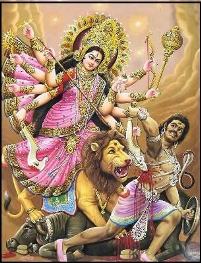
Bhagavathy Temples
Bhagavathy (Bhagavathi) or Devi is considered as female aspect of the divine Shakthi, as conceived by the Shakta tradition of Hinduism. Shakthi is considered as the female counterpart without whom the male aspect remains impotent. Shakthi is the energy and Shakthi worship is a vital part of Hindu Tradition.

Siva Temples
Lord Siva is an important God in Hinduism, including in the Trimurthis. In the ‘Trimurthis’, Siva has the duty of destroying or ‘Samhara’. Siva is believed as the supreme God. Siva is referred as consciousness as per Sakthisam. Siva has many more other names as Rudhra, Mahadeva, Parameswara, Neelakanda.
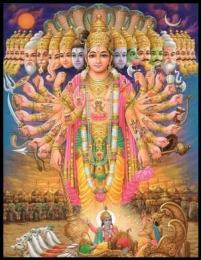
Vishnu Temples
Lord Mahavishnu is one of the deities in ‘Trimurthis’. The three functions of the world namely “Creation” , “Maintenance” and “Destruction” are being done by ‘Trimurthis’. Vishnu is known as the preserver in them.The name ‘VISHNU’ means the one who can enter anywhere, as we usually says ‘Sarvavyapi’.
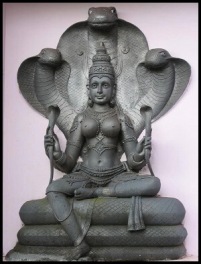
Naga / Serpent Temples
According to Indian culture snakes are also considered as gods. ‘Nagas’ or ‘Sarppas’ or 'Serpants' means snakes. Usually we considers a naga as a king cobra. There are more importance for this ‘Nagas’ in our epics. Many stories are written about them.
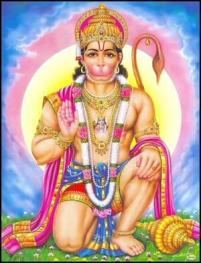
Hanuman Temples
Hanuman is one of the most important personalities in 'Ramayana'. Hanuman is known as a popular devotee of Lord Rama. His help made Rama to find out Sita devi easily and then defeat Ravana in the war. Hanuman is known as different names such as Anjaneya, Pavan puthra, Maruthi

Vishnu Maya Temples
Vishnu Maya is also referred as Chathan or Kuttichathan. His rides in buffalo and known for his Maya (illusions). Vishnu Maya (Kuttichathan) born in union of Lord Siva and a tribal girl called Koolivaka. intention behind Vishnu Maya’s birth was to kill the asura called “Jalandhara“.

Dhanwanthari Temples
Lord Dhanwanthari is an avatar of Lord Vishnu in Hindu tradition. He appears in the Vedas and Puranas as the physician of the devas. Lord Dhanwanthari is believed as the God of Ayurveda. It is common practice in Hinduism to worship Dhanvantari for sound health.
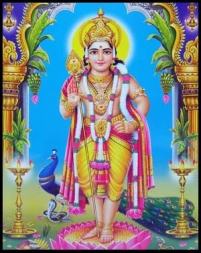
Muruga / Subramanian Temples
Muruga or Subramanya is a popular deity among Hindus, especially among Tamil people. Many names are there for Muruga as Karthikeya, Kumara, Velayudha, Shanmugha and so on. His main weapon is known as ‘Vel’, which was given by Parvathy. Thus known as Velayudha. He was born as the second son of Lord Siva and Goddess Parvathy.
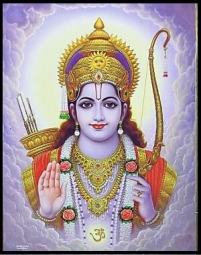
Sree Rama Temples
Rama or Sreerama Chandra is the seventh incarnation of Lord Vishnu. Lord Rama is one of the popular deities in Hindhuism. He is considered as the perfect man in the world. He is called ‘Maryadha Purushothaman’ in this sense. Our famous epic ‘Ramayana’ describes the story of Sreerama from his birth. Devi Sita, the avathar of Mahalakshmi, is the wife of Sreerama.
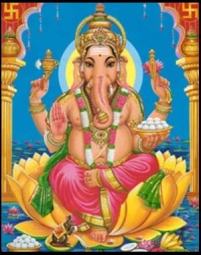
Vinayaka / Ganapathy Temples
Vinayaka is one of the famous and greatly worshipped deities in Hinduism. Vinayakar is also known as Ganesh, Vinayaka Vigneswara, Ganapathy, Pillaiyar . The main identity of Vinayaka is his elephant like head. Its known that Vinayaka is the eldest son of Siva and Goddess Parvathy. We believe that if we pray to Ganapathy, all the obstacles will remove quickly.
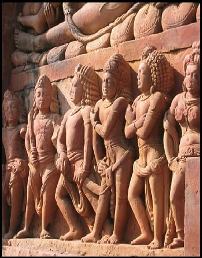
Pandava Temples
Pandavas are described in the epic ‘Mahabharatha’. Pandavas includes five brothers Yudhishtira, Bhima, Arjuna, Nakula and Sahadeva. They are the sons of ‘Pandu’, by his two wives, ’Kunthi’ and ‘Madhri’. The word ‘Pandavas’ means the sons of ‘Pandu’. Yudhishtira, Bhima and Arjuna are the sons of Kunthi. Remaining are the sons of Madhri. This five brothers were married to ‘Draupathi’
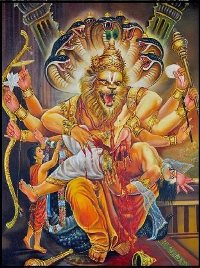
Narasimha Temples
Lord Narasimha is fourth incarnation of Lord Maha Vishnu. Narasimha is in the form of Half Man and Half Lion, and is considered as the most ugra form of Vishnu's form. This form is having a human-like torso and a lower body, but with a lion-like face and claws with ugra form. He is believed as protector of devotees all the time. Lord Narasimha took birth on earth to demolish Hiranyakashipu

Lakshmana Temples
Lakshmana is the brother of Lord Rama. He is also one of the close companion of Lord Rama. In Hinduism, Lakshmana is considered as the avathara of ‘Anantha’, the immortal and infinite snake on which Lord Vishnu takes rest. Lakshmana is the son of Dhasaradha’s and sumithra and twin brother of Sathrughna. In spite of of being the twin brother of Sathrughna , Lakshmana was more attached to Lord Rama.
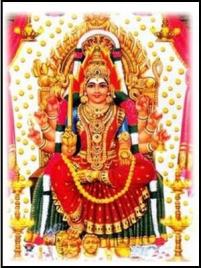
Mariyamman Temples
Mariyamman is one of the famous goddess worshipped mainly in south india. ‘Amman’ in tamil means ‘Mother’, “Mari” means rain. Put together, meaning of ‘Mariamman’ is supposed to be the goddess of rain. This Goddess is worshipped commonly in south Indian states like Tamilnadu, Karnataka, Andhra Pradesh and some parts of Kerala too. Mother ‘Mari’ is related to our well known goddess Durga devi.

Other Temples
The temples with the deities which are uncommon are grouped under this section. Browse through this section and explore about unknown temples in kerala with rare rituals and customs. Some of the temples are not explored and not known to other communties. In addition, you can also access "Know More" facility, which gives you even more valuable information about temples, with special offerings and rituals.